
8 Oral Issues That Never Improve Without a Deep Cleaning
Persistent oral health problems can develop when plaque and tartar accumulate in areas that regular brushing and flossing cannot adequately reach. Although daily oral hygiene is essential, some conditions require professional treatment to address their underlying causes. Recognizing the warning signs can help you determine when it is time to schedule a dental appointment. Understanding which issues benefit from deep cleanings can also help you protect your gums, teeth, and long-term oral health.
1. Recognizing Persistent Gum Inflammation
Red, swollen, or tender gums are common signs of gum inflammation. Healthy gums should generally appear firm and pink, although their natural color can vary. When plaque builds up along the gumline, bacteria can irritate the surrounding tissue and trigger inflammation.
Early gum inflammation is often associated with gingivitis, the mildest form of gum disease. At this stage, professional dental cleaning and consistent home care can often reverse the condition. However, when plaque hardens into tartar, brushing and flossing alone cannot remove it. Tartar provides additional surfaces where bacteria can accumulate, allowing inflammation to persist.
If your gums remain swollen or tender despite regular brushing, a dental evaluation can help identify the cause. When inflammation is associated with deeper deposits below the gumline, deep cleanings may be necessary to remove the buildup and support gum healing.
2. Addressing Gums That Bleed During Brushing
Seeing blood on your toothbrush or dental floss can be concerning, especially when it happens regularly. Although aggressive brushing and improper flossing techniques can irritate gum tissue, frequent bleeding can also indicate inflammation caused by plaque and tartar accumulation.
When bacteria collect around the teeth, the gums can become more sensitive and susceptible to bleeding. This may happen even when discomfort is minimal, making it easy to overlook the problem. However, bleeding should not be considered a normal part of daily oral hygiene.
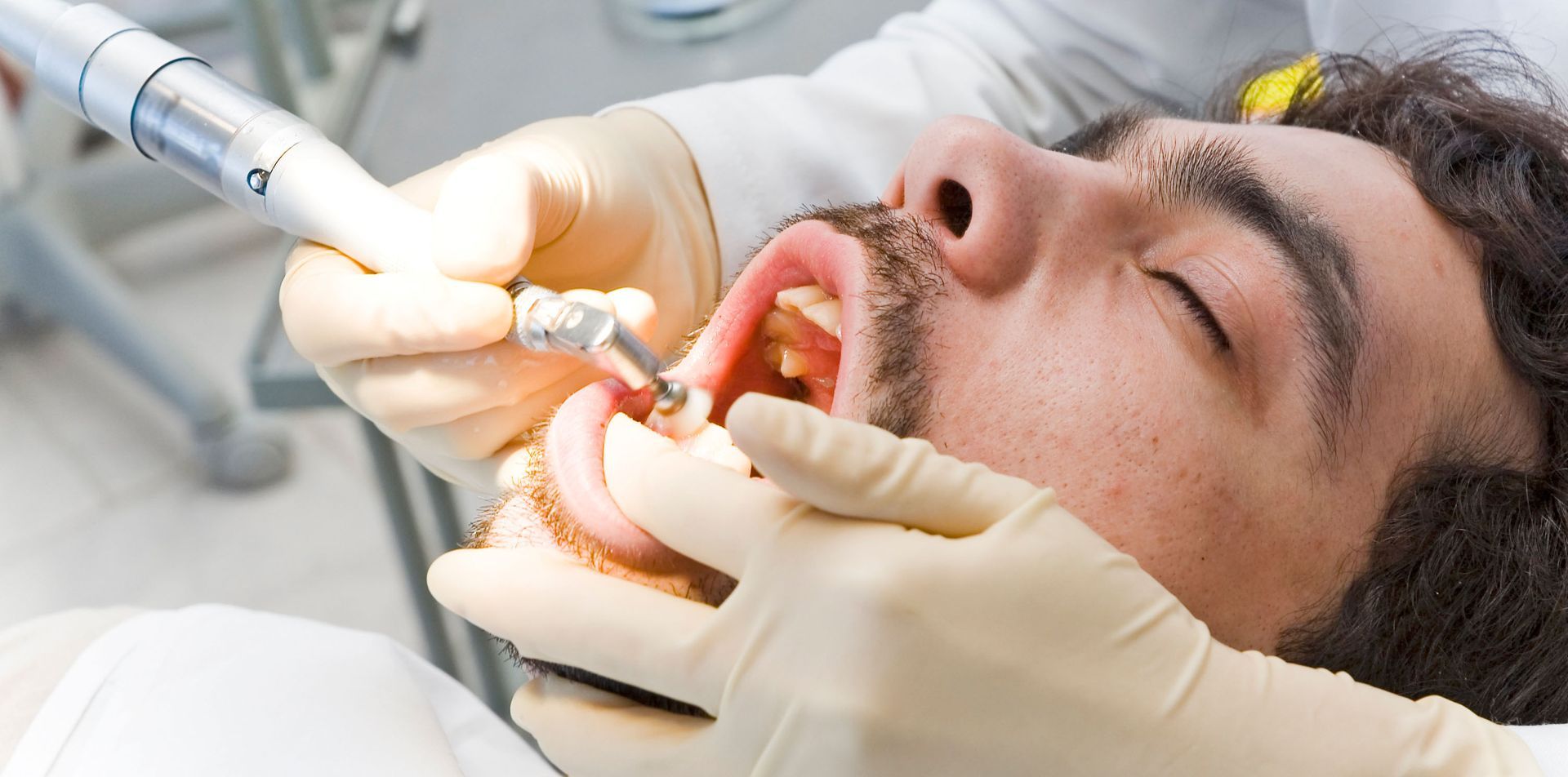
Professional cleaning removes hardened deposits that ordinary brushing cannot eliminate. If tartar has accumulated beneath the gumline, your dentist may recommend scaling and root planing, a procedure commonly known as a deep cleaning. Scaling removes plaque and tartar from tooth surfaces, while root planing smooths the roots to discourage bacterial accumulation and help the gums reattach.
3. Managing Persistent Bad Breath
Occasional bad breath can result from certain foods, dehydration, or temporary changes in oral hygiene. Persistent bad breath, however, may indicate an underlying dental issue that requires professional attention.
Bacteria in the mouth produce compounds that contribute to unpleasant odors. These bacteria can collect on the tongue, around the gumline, between teeth, and beneath the gums. When plaque and tartar accumulate in difficult-to-reach areas, they can create conditions that allow odor-producing bacteria to thrive.
Brushing twice daily, flossing regularly, cleaning your tongue, and drinking enough water can help improve breath freshness. Nevertheless, these habits may not resolve bad breath caused by significant tartar buildup or periodontal disease.
A dental examination can help determine whether gum inflammation, periodontal pockets, tooth decay, or another oral health issue is contributing to the problem. If bacteria and hardened deposits beneath the gumline are responsible, deep cleanings can help remove the source of irritation and bacterial accumulation.
4. Preventing Progressive Gum Recession
Gum recession occurs when gum tissue pulls away from the teeth, exposing more of the tooth surface or its roots. It can develop gradually, making the changes difficult to notice until the teeth appear longer or become more sensitive.
Several factors can contribute to recession, including periodontal disease, aggressive brushing, genetics, and the natural position of the teeth. When gum disease is responsible, bacteria and tartar beneath the gumline can damage the tissues and supporting structures surrounding the teeth.
As periodontal disease progresses, the gums may detach from the teeth, forming deeper pockets. These spaces allow additional bacteria to collect, making the condition more difficult to manage with routine home care alone.
A dentist can assess gum recession by examining the tissues, measuring periodontal pockets, and, when appropriate, evaluating the supporting bone. If active periodontal disease is present, treatment may include scaling and root planing to remove deposits beneath the gumline and help control infection.
5. Controlling Deep Periodontal Pockets
Periodontal pockets form when the gum tissue separates from the teeth because of inflammation and damage to the structures that support them. Healthy gum tissue fits relatively closely around each tooth, while periodontal disease can create spaces that trap plaque and bacteria.
As these pockets deepen, toothbrush bristles and dental floss may not reach all the affected surfaces effectively. Bacteria can continue accumulating below the gumline, increasing the risk of further inflammation and tissue damage. According to the World Health Organization, oral diseases affect nearly 3.7 billion people worldwide, highlighting the widespread impact of conditions that can compromise oral health. Periodontal disease is one concern that makes routine dental examinations and timely treatment important.
Your dentist or dental hygienist can measure pocket depths to evaluate gum health. Depending on the findings, treatment may involve a professional cleaning, scaling, and root planing, or additional periodontal care. Deep cleanings are particularly useful when plaque and tartar have accumulated beneath the gumline and contributed to periodontal pocket formation.
6. Protecting Teeth From Loosening
Teeth depend on healthy gums, periodontal ligaments, and supporting bone to remain stable. When periodontal disease damages these structures, teeth can gradually become loose. This is a more advanced warning sign than occasional gum bleeding or mild inflammation and should not be ignored.
Plaque and tartar accumulation can contribute to ongoing infection beneath the gums. As the disease progresses, the supporting bone may deteriorate, reducing the stability of affected teeth. Some people experience tenderness when chewing, changes in how their teeth fit together, or spaces that develop between previously aligned teeth.
A deep cleaning can help control periodontal infection when deposits beneath the gumline are contributing to the problem. However, it cannot restore bone that has already been lost or guarantee that a loose tooth will become stable again.
Your dentist will evaluate the severity of the disease and determine whether additional treatment is needed. Depending on the findings, care may involve periodontal maintenance, specialist treatment, or other procedures intended to preserve the remaining supporting structures.
7. Reducing Persistent Gum Discomfort
Sore gums, tenderness while chewing, and discomfort around the teeth can result from several oral health conditions. Gum disease is one possible cause, particularly when discomfort occurs alongside swelling, bleeding, persistent bad breath, or visible tartar.
When bacterial deposits remain beneath the gumline, the surrounding tissue can become inflamed. This irritation may cause the gums to feel sensitive when brushing, flossing, or eating. Some people experience little pain despite having periodontal disease, so the absence of discomfort does not necessarily indicate healthy gums.
A dental examination helps distinguish periodontal problems from other potential causes, such as tooth decay, dental abscesses, or injuries to the soft tissues. If hardened deposits and periodontal infection are contributing to the symptoms, a professional cleaning or scaling and root planing may be recommended.
Deep cleanings address bacterial deposits below the gumline rather than simply removing surface stains or plaque. Following treatment, your dental provider can recommend home care practices and follow-up visits based on your individual needs.
8. Maintaining Health After Professional Treatment
Professional periodontal treatment works best when supported by consistent daily habits and ongoing dental care. Even after plaque and tartar have been removed, bacteria can accumulate again, making preventive care essential for protecting your gums and teeth. Although deep cleanings help control periodontal disease, maintaining the results requires consistent oral hygiene and regular dental visits.
Brush twice daily with fluoride toothpaste, floss once a day, and clean between your teeth as recommended by your dental provider. Replacing your toothbrush when its bristles become worn and avoiding tobacco products can also support better oral health.
Taking the Next Step Toward Healthier Gums
Persistent gum bleeding, inflammation, bad breath, recession, and loose teeth can indicate problems that routine brushing and flossing cannot resolve on their own. Although these symptoms do not always require periodontal treatment, they deserve professional evaluation to identify their causes and determine the right approach. When plaque and tartar accumulate beneath the gumline, deep cleanings may help control infection and protect the tissues supporting your teeth.
Contact Copperstone Dental to schedule an evaluation and learn whether professional periodontal treatment can help address your oral health concerns.




Share On: