
Are Veneers Right for You?
Explore the growing popularity of dental veneers and discover if they're the right option to achieve your perfect smile. Understanding the fundamentals of veneers, their benefits, potential drawbacks, and observing who they are ideally suited for is crucial before making a decision. With advancements in cosmetic dentistry, veneers have transformed countless smiles worldwide. This article will provide you with a comprehensive analysis to make an informed choice. The journey to an improved smile starts with adequate knowledge and understanding, and veneers might just be the solution you are seeking.
Understanding Dental Veneers
1. What Are Veneers?
Dental veneers are thin layers of material placed over the surface of teeth to enhance their appearance. They serve both cosmetic and restorative purposes, ranging from correcting discolored or chipped teeth to closing gaps and even altering tooth shape. Usually, veneers are made from porcelain or composite resin, both known for their sturdy nature and aesthetic appeal. Their versatility and the relatively uncomplicated procedure have made them a favored choice in cosmetic dentistry. However, like any other dental solution, the success of veneers depends on numerous factors, including proper application and maintenance.
2. Types of Veneers
There are primarily two types of veneers - porcelain and composite. Porcelain veneers are known for their durability and natural appearance due to their light-reflecting properties. Composite veneers, on the other hand, are more affordable and are applied directly to the teeth but may not last as long as porcelain. Both types have their benefits and drawbacks, and the choice largely depends on the individual's needs and cost considerations. Understanding these differences is important to determine which type of veneer best suits you.
3. The Veneer Application Process
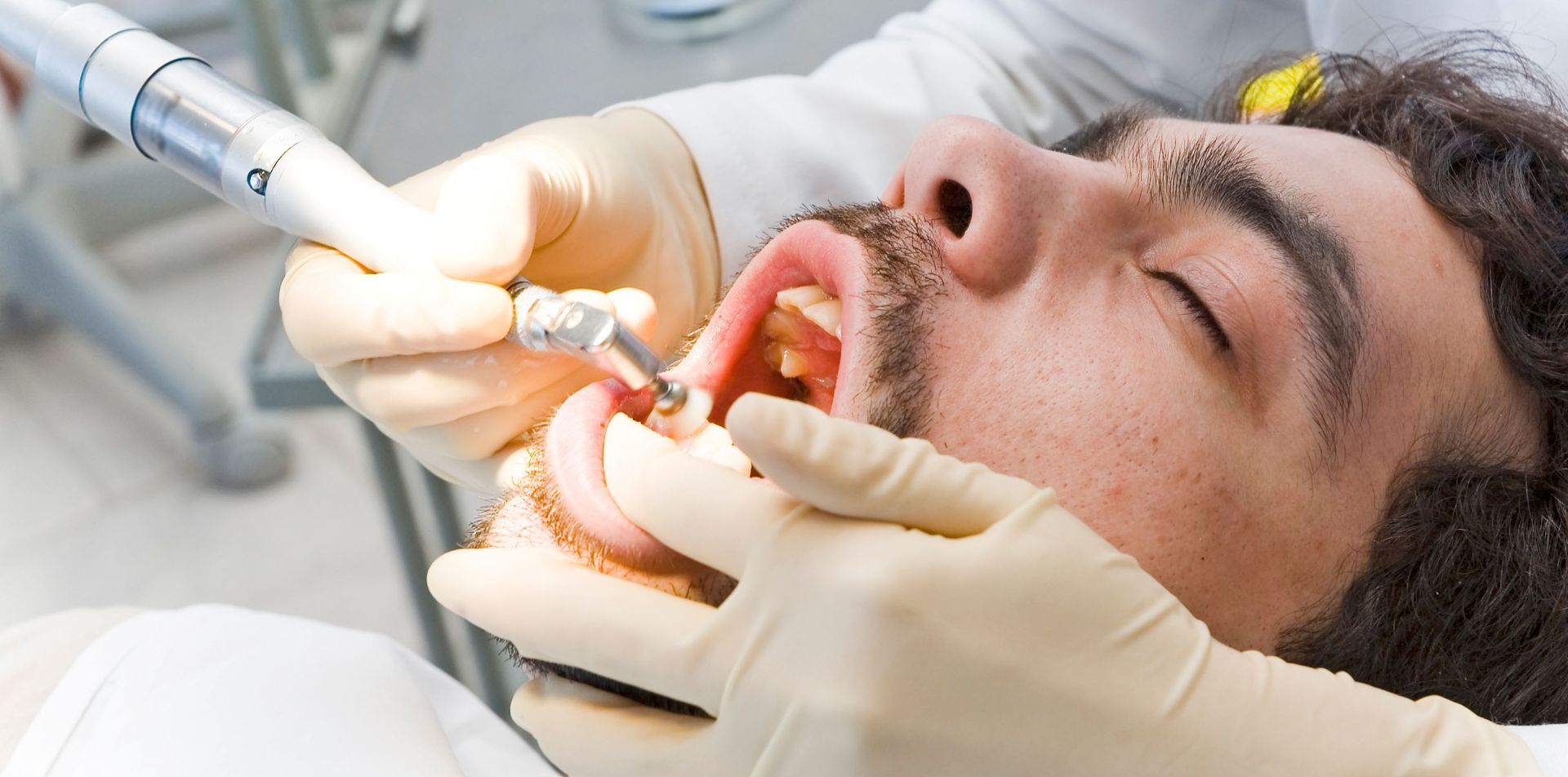
The application process for veneers generally involves several key steps to ensure a perfect fit and appearance. Initially, your dentist will remove a small amount of enamel from your teeth to accommodate the veneer thickness. Next, impressions of your teeth are taken and sent to a lab where the custom veneers are created, matching your natural teeth's color and shape. Once the veneers are ready, they are bonded to the teeth with a special adhesive. The entire process requires precision to ensure that the veneers adhere properly and deliver the expected cosmetic improvement.
4. Cost Factors
The cost of veneers varies based on several factors, which include the type of material used, the number of teeth being treated, and the geographical location of your dental clinic. Generally, porcelain veneers are more expensive than composite ones due to their superior longevity and appearance. Additional costs may arise depending on diagnostic and preparation procedures needed prior to application. It’s essential to consult with your dentist and discuss all potential expenses to avoid surprise costs. Budgeting effectively while considering the aesthetic and functional benefits veneers provide is crucial.
5. Lifespan and Durability
Veneers are designed to be durable, typically lasting between 7 and 15 years based on the material used and the care they receive. Porcelain veneers, with their high durability, tend to last longer compared to composite options, making them a worthy investment for many. According to PubMed Central, dental veneers have a remarkably high survival rate, with some studies reporting over 90% survival rate for more than 10 years. However, their longevity heavily relies on excellent oral hygiene and regular maintenance. Routine dental check-ups are instrumental in monitoring the condition of your veneers and addressing any issues promptly.
Pros and Cons of Getting Veneers
1. Aesthetic Enhancements
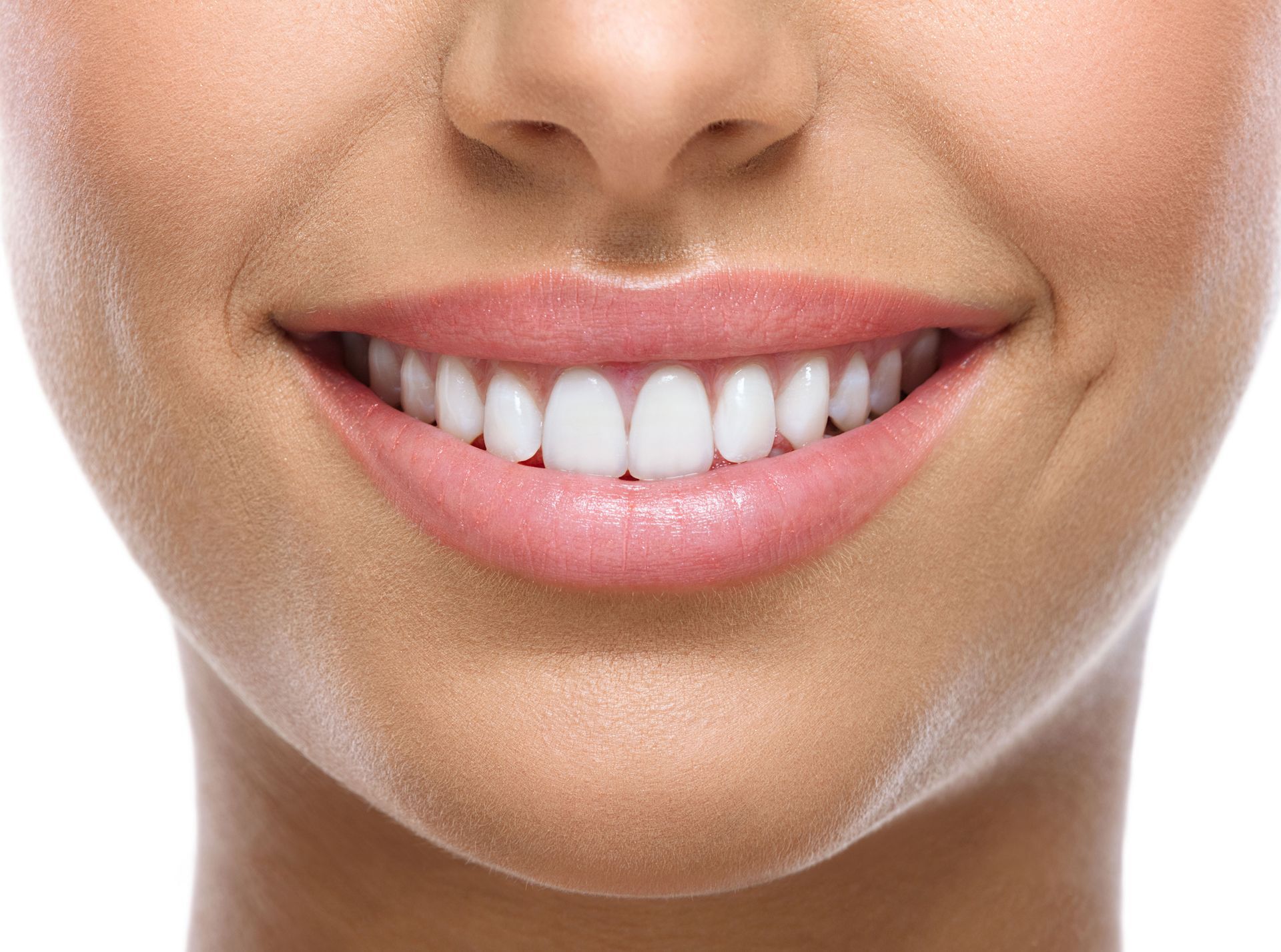
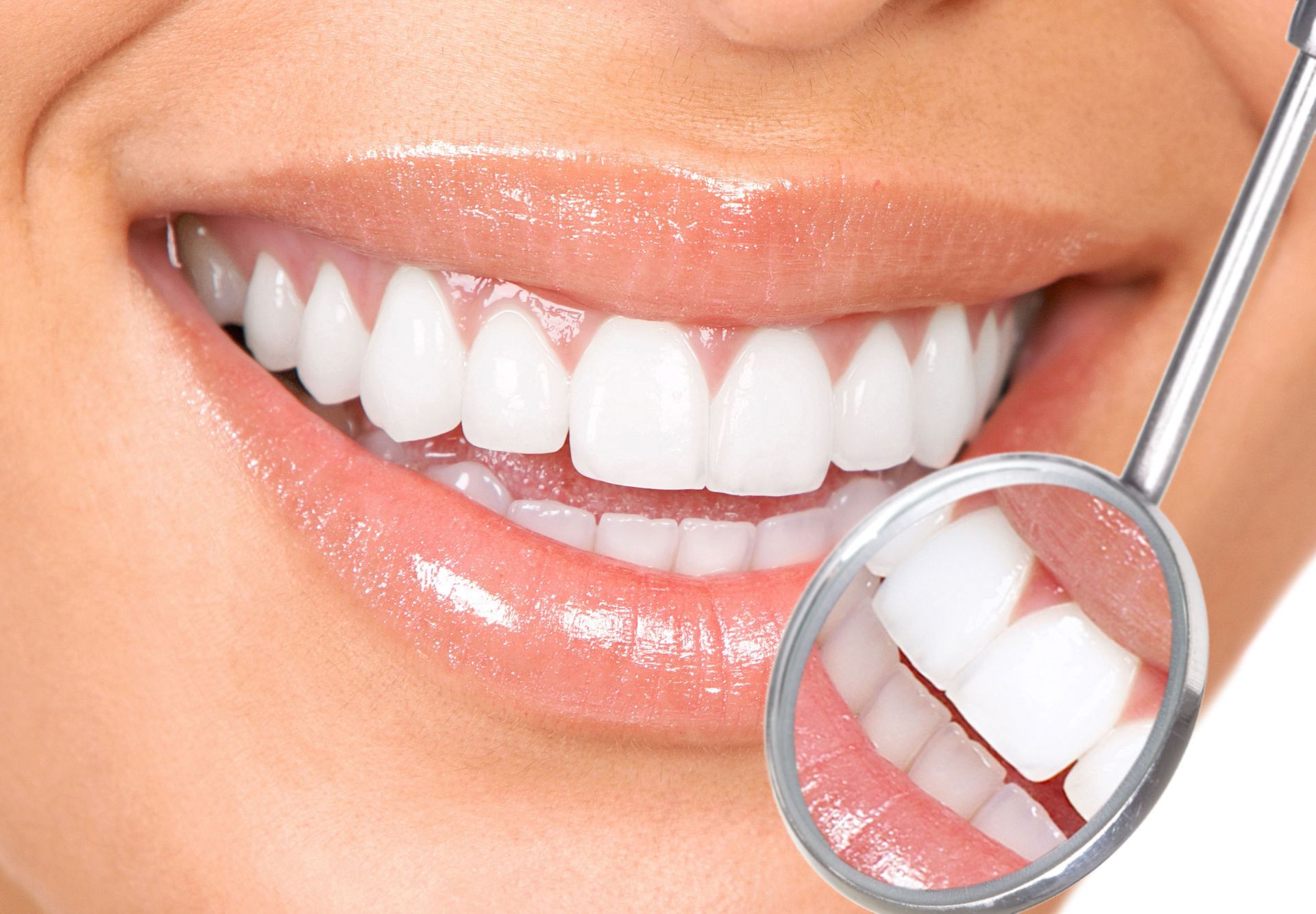
Veneers offer significant aesthetic benefits, transforming smiles by instantly correcting imperfections. They can cover discolorations that don't respond to whitening, close gaps, and make uneven teeth appear more uniform. The end result is a natural-looking smile that enhances self-confidence and overall facial appearance. However, achieving these aesthetic improvements requires a skilled dentist who can accurately match the veneers to the natural teeth's color and shape. Despite their advantages, veneers may not always be the best option for everyone based on individual dental health and personal expectations.
2. Minimal Invasiveness
Compared to other dental restorative procedures, veneers are relatively less invasive. The process involves minimal removal of the tooth enamel, preserving much of your natural tooth's structure. This conservative approach is beneficial as it reduces the risk of damage or ongoing sensitivity. However, it is still vital to consider the health of your underlying teeth since veneers aren’t typically advisable for those with severe dental issues. Always consult with a dental professional to weigh the minimally invasive nature of veneers against their long-term durability and maintenance needs.
3. Potential Risks and Side Effects
Despite their benefits, getting veneers involves certain risks and potential side effects. Some individuals might experience temporary tooth sensitivity post-procedure, particularly to hot or cold foods. In rare cases, the veneers may become dislodged, requiring additional dental visits to address. It's also important to note that while veneers are resistant to stains, poor oral hygiene can affect their longevity and appearance. Understanding these potential downsides enables you to make a well-rounded decision in consultation with your dentist.
4. Long-Term Maintenance
Maintenance of veneers requires consistent oral hygiene practices, though they don’t necessitate unique care routines. Regular brushing, flossing, and dental check-ups are essential to maintain the health of your natural teeth and the appearance of veneers. Veneers, particularly porcelain ones, are resistant to stains, but it's advisable to avoid food and beverages that may discolor them over time. Adhering to maintenance routines ensures that veneers remain effective and contribute positively to your dental aesthetics in the long term. Inadequate care can reduce their lifespan significantly, diminishing their initial investment value.
Evaluating Suitability for Veneers
1. Ideal Candidates
While veneers can greatly improve the appearance of one's smile, they may not be suitable for everyone. Ideal candidates are typically individuals with minor cosmetic issues like discoloration, mild chipping, or slight misalignment. Overall good dental health is essential, as veneers will not address underlying issues such as decay or severe misalignment. Practicing excellent oral hygiene and being committed to routine dental visits further qualifies a candidate for this procedure. Ultimately, a professional dental consultation will determine if veneers align with your personal dental goals and health conditions.
2. Dental Health Prerequisites
Before considering veneers, it's important to assess your dental health prerequisites. Individuals require healthy gums and sufficient tooth enamel to accommodate veneers safely. Poor dental health conditions, such as advanced gum disease or significant tooth decay, present contraindications for veneer application. It’s vital to address any existing dental issues before opting for veneers to ensure a stable foundation and long-lasting results. A comprehensive dental examination will guide decisions, identifying candidacy or if other treatments should be prioritized beforehand.
3. Alignment with Personal Goals
Aligning veneers with personal aesthetic goals plays a crucial role in your satisfaction with the results. Individuals seeking subtle or dramatic changes to their smile must communicate these desires clearly to their dentist. Understanding the realistic capabilities of veneers, including color customization and shaping options, helps set appropriate expectations. Dentists often utilize digital imaging or simulations to demonstrate potential outcomes, aiding in decision-making. This alignment ensures that veneers meet, if not exceed, personal expectations, enhancing both dental aesthetics and confidence effectively.
Weighing the pros and cons of veneers in relation to personal needs, aesthetics, and long-term dental health is paramount for an informed decision. Understanding veneers' transformative potential while balancing expectations, maintenance commitments, and financial planning ensures favorable outcomes. This article equips you with knowledge to navigate the veneer journey confidently and embrace an enhanced dental appearance with informed assurance. Pursue openness with dental advisors, seeking clarity and guidance, solidifying your veneer choices aligned with realistic aspirations and comprehensive understanding. Be sure to reach out to Copperstone Dental today to learn more about our professional veneers!


Share On: